
Rats
.jpg)
Description
The common adult brown rat is approximately 25cm long (not including their tail), they are usually a mid-brown colour and normally nocturnal.
Rats require three things to thrive, water, food, and somewhere to live, in your garden common places for them are, under your shed, in your compost bin/heap, in out-houses and under decking etc. in your home they have been found in lofts, walls and under floors.
Rats can breed at an alarming rate; one pair of rats can produce a potential 50-60 rats per year and their off-spring can breed at three months old, being infested can occur in no time at all.


What to look for
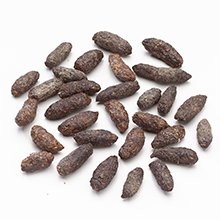
• Droppings
10mm in length, normally very dark and cigar shaped.
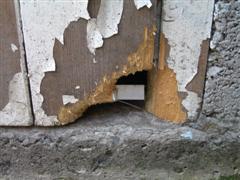
• Damage
Gnaw marks and holes chewed in structures.
• Smears
Black greasy marks, usually along the corners of walls and floors, these are left by rats running back and fro and over prominent objects over a long period of time
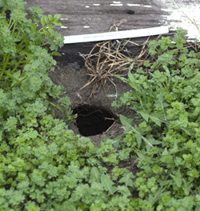
• Holes
In the garden or banks, with a smooth, shiny entry, about 50-60mm round can indicating an active burrow.
Consequences
- Diseases
Rats can carry many diseases including, Leptospirosis or Weil's disease, Salmonella, Listeria, and Hantavirus these can be spread to humans, through their urine.
- Damage
The front teeth of rodents are constantly growing; this makes them habitual gnawers. Most modern building materials, wood, plasterboard, plastic, insulation board etc don’t pose any problem for rats to gnaw through. They have gnawed through water pipes causing flooding and caused fire by gnawing through gas pipes and electrical wiring.
The insurance industry has estimated 25% of electrical fires are caused by rodent damage.
- Contamination
As rats are incontinent, they cause contamination to any items they come into contact with. This can be anything from food stuffs (including pet-food and bird seed) to the work surface in your kitchen.


